Few household appliances work harder—or are missed more when they fail—than your water heater. From morning showers to washing dishes and laundry, hot water is essential to daily life. But when it comes time for a replacement, homeowners in Metro Atlanta and Northwest Georgia face a major decision: stick with a traditional storage tank water heater or upgrade to a modern tankless system?
Both options have distinct advantages, upfront costs, and maintenance considerations. At TLC Plumbing, LLC, our licensed plumbers install and service both tank and tankless systems across Dallas, Marietta, Canton, Cartersville, Rockmart, and Sandy Springs. In this guide, we break down everything you need to know to make the right choice for your family and budget.
How Tank and Tankless Water Heaters Work
Traditional Tank Water Heaters
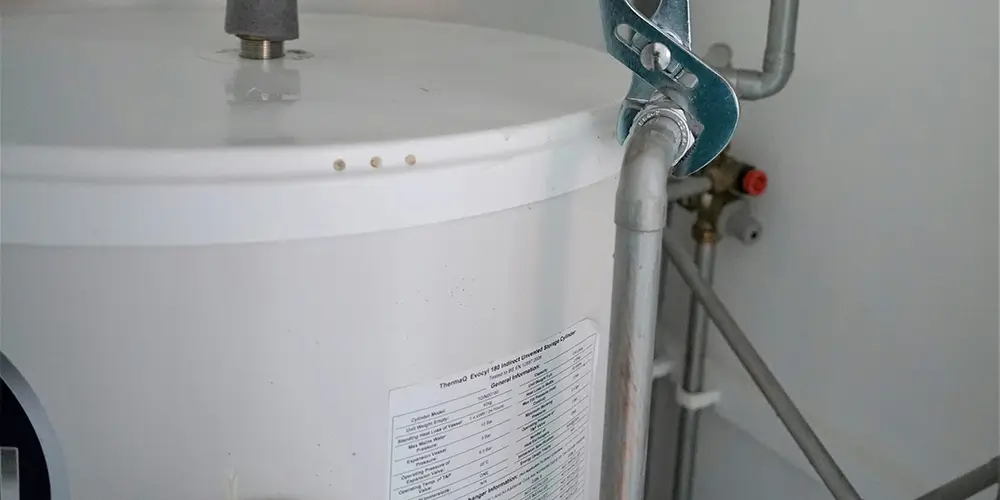
Storage tank water heaters remain the most common option in North Georgia homes. These systems continuously heat and store 40 to 80 gallons of water in an insulated tank. Gas burners or electric heating elements maintain a constant water temperature so hot water is readily available when you open a faucet.
Tankless Water Heaters (On-Demand Systems)
Tankless water heaters do not store hot water. Instead, cold groundwater flows through a high-powered heat exchanger (powered by natural gas, propane, or electricity) only when a hot water tap is turned on. Water is heated instantly on demand, delivering a continuous supply without needing a storage reservoir.
Direct Comparison: Tank vs. Tankless at a Glance
1. Upfront Installation Cost
Traditional Tank: Lower initial investment. A standard tank unit replacement typically costs between $1,200 and $2,500 including professional installation, making it the more budget-friendly option upfront.
Tankless Unit: Higher initial investment. Tankless units cost between $2,500 and $4,500+ installed. If retrofitting a home from tank to tankless, additional costs may apply for upgrading gas supply lines, electric service, or venting systems.
2. Energy Efficiency & Monthly Operating Costs
Traditional Tank: Experiences standby heat loss because energy is spent keeping 50 gallons of water hot 24/7, even when no one is home.
Tankless Unit: Highly energy efficient. According to the U.S. Department of Energy, tankless systems can be 24% to 34% more energy efficient than storage tanks in homes that use 41 gallons or less of hot water daily, leading to lower monthly utility bills.
3. Hot Water Supply & Capacity
Traditional Tank: Limited to the gallon capacity of the tank. If multiple family members take consecutive showers or run the dishwasher simultaneously, the tank will run cold and require 30 to 60 minutes to recover.
Tankless Unit: Provides endless hot water. As long as the unit is properly sized for your household peak gallons-per-minute (GPM) demand, you will never run out of hot water during back-to-back showers.
4. Lifespan & Warranty Coverage
Traditional Tank: Typically lasts 8 to 12 years in Metro Atlanta before mineral sediment buildup and corrosion lead to tank leaks.
Tankless Unit: Built to last 20 years or longer with easily replaceable components, doubling the lifespan of a standard tank system.
5. Space Requirements
Traditional Tank: Requires a large footprint (roughly 5 to 9 square feet) in a basement, garage, closet, or utility room.
Tankless Unit: Compact and wall-mounted. Tankless units are about the size of a small suitcase, freeing up valuable floor space.
Performance During North Georgia Winters
Incoming groundwater temperatures in Metro Atlanta drop significantly during winter months (often dipping to 45 degrees F or lower). Tankless units must work harder to raise cold water up to 120 degrees F. Having a licensed plumber accurately calculate your home required temperature rise and GPM flow rate ensures your tankless system maintains strong water pressure even during severe Georgia freezes.
Which System Is Right for Your Home?
Choose a Traditional Tank Water Heater If:
- You want the lowest upfront replacement cost.
- Your current home layout already has an easily accessible utility closet or garage space.
- You plan to move within the next 3 to 5 years and want a reliable, economical replacement.
Choose a Tankless Water Heater If:
- You have a large family or frequently run out of hot water during morning routines.
- You want to maximize home energy efficiency and reduce monthly gas/electric bills.
- You want a long-term investment that lasts 20+ years and frees up floor space.
Professional Installation & Maintenance from TLC Plumbing
Whether you choose a high-efficiency tank replacement or upgrade to a continuous tankless system, professional installation is critical. Improper gas line sizing, inadequate venting, or poor electrical connections can cause safety hazards and shorten unit lifespan.
At TLC Plumbing, LLC, we provide honest recommendations, upfront pricing, and expert installation. We also offer annual water heater flushing to clear out mineral sediment and keep your system running like new.
Frequently Asked Questions
Is a tankless water heater worth the higher cost in North Georgia?
Yes, for many homeowners. While tankless units cost more upfront, they use up to 34% less energy, last over 20 years, save space, and provide endless hot water, offsetting initial costs over time.
How long do tank vs. tankless water heaters last?
Traditional tank water heaters typically last 8 to 12 years in Metro Atlanta homes, whereas tankless water heaters last 20 years or more with proper annual flushing and maintenance.
Can a tankless water heater keep up during winter cold snaps?
Yes. A properly sized gas tankless water heater maintains continuous hot water during cold Georgia winters, provided it is correctly BTU-matched to your home incoming groundwater temperature.
Does TLC Plumbing install and repair water heaters in Metro Atlanta?
Yes. TLC Plumbing, LLC provides expert tank and tankless water heater installation, replacement, and emergency repair services across Dallas, Marietta, Canton, Cartersville, Rockmart, and Sandy Springs.