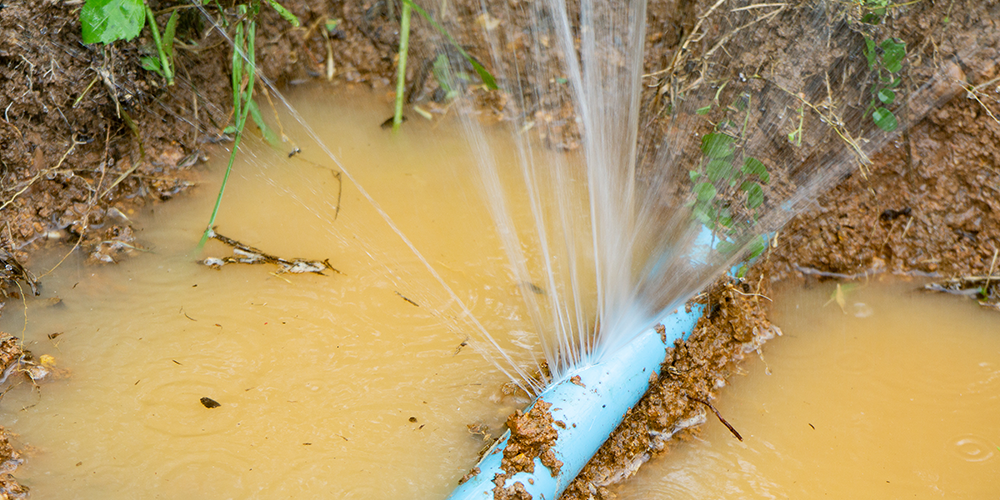
Your main water line is the single most critical pipe in your home’s plumbing system. Running underground from your municipal water meter or private well to your house, this heavy-duty supply line delivers fresh, pressurized water for everything from morning showers to cooking and laundry. However, because it remains buried beneath your lawn, driveway, or landscaping, an underground water line leak can quietly waste thousands of gallons before you even realize there is a problem.
At TLC Plumbing, LLC, our licensed plumbers specialize in main water line repair, leak detection, and fresh water supply replacements across Dallas, Marietta, Canton, Cartersville, Rockmart, and Sandy Springs. Spotting the early warning signs of an underground supply line leak is key to preventing foundation damage, soil erosion, and astronomical utility bills.
What Is the Underground Main Water Supply Line?
It is important to distinguish your home’s main water supply line from drain and sewer pipes. Your main water line operates under high continuous pressure (typically between 40 and 80 PSI), delivering clean, potable water directly into your home. Because this line is constantly pressurized, even a tiny crack, pinhole leak, or joint failure can force water into the surrounding soil at a rapid rate.
7 Warning Signs Your Main Water Line Is Leaking
1. Unexplained Spikes in Your Monthly Water Bill
The first sign of an underground water leak is often a sudden, drastic jump in your water bill without any change in your family’s daily water usage. If your utility bill doubles or triples from one month to the next, a leaking main line hidden beneath your yard is frequently the culprit.
2. Soggy, Muddy, or Unusually Green Patches in Your Lawn
Have you noticed a section of your grass that stays wet, spongy, or muddy even during dry North Georgia weather? Water escaping from a cracked underground pipe saturates the soil from below, often causing grass directly above the leak to grow noticeably faster, thicker, and greener than the rest of your lawn.
3. A Sudden Drop in Whole-House Water Pressure
If your shower pressure feels weak or multiple faucets struggle to maintain flow simultaneously, water may be escaping through a rupture in your main supply line before reaching your indoor fixtures.
4. Discolored, Rusty, or Dirty Water Coming from Taps
A damaged main water line allows dirt, soil, and mineral deposits to enter your supply line. If your tap water suddenly looks brown, reddish, or cloudy, stop using the water immediately and call a licensed plumber to inspect the pipe.
5. Standing Puddles on Driveways, Patios, or Sidewalks
Water seeking the path of least resistance will often push up through cracks in concrete driveways, stone pavers, or walkways. If you see unexplained standing water pooling near your home’s exterior wall or foundation, an underground leak is active.
6. Hissing, Rushing, or Gurgling Sounds When All Water Is Off
When your home is completely quiet and no fixtures or appliances are running, listen carefully near your basement wall or water meter. A continuous hissing or rushing sound indicates pressurized water escaping from a broken line.
7. Cracks in Foundation Walls or Soil Sinkholes
Severe, long-term underground leaks can wash away supporting soil around your home’s slab or basement foundation. This soil erosion leads to ground sinkholes and structural cracking along foundation walls.
Common Causes of Underground Pipe Leaks in North Georgia
Homeowners throughout Paulding, Cobb, Bartow, Cherokee, and Fulton counties encounter unique environmental conditions that contribute to main line failure:
- Expansive Red Clay Soil: Georgia’s dense clay soil expands significantly when saturated and contracts during dry spells, putting intense physical stress on buried pipes.
- Tree Root Intrusion: Large root systems from mature trees wrap around buried supply lines, causing pipes to shift, crack, or break at connection joints.
- Corrosive Pipe Materials: Older homes constructed with galvanized iron, copper, or polybutylene pipes are susceptible to internal corrosion, mineral buildup, and fitting deterioration over time.
- Ground Freezes and Temperature Shifts: Shallow main water lines exposed to hard winter freezes experience expansion stress, leading to hairline fractures.
Main Water Line Repair vs. Complete Replacement
Spot Repair
If your main water line is relatively new (such as high-density polyethylene or modern PEX) and the leak is confined to a single accessible fitting or localized puncture, our team can perform a targeted spot repair by replacing the damaged section.
Full Underground Line Replacement
If your home still relies on aging polybutylene or severely corroded galvanized piping, patching individual leaks is often a temporary fix. In these cases, installing a brand-new, high-durability main water supply line provides a long-term, reliable solution backed by manufacturer warranties.
What to Do Immediately If You Suspect a Main Line Leak
- Step 1: Perform a Simple Water Meter Test. Turn off all indoor and outdoor faucets. Locate your water meter box at the street and open the lid. If the small red or blue triangle (leak indicator dial) is spinning, or if the digital numbers are advancing while no water is in use inside, you have an active leak between the meter and your home.
- Step 2: Shut Off Your Main Water Valve. If water is pooling near your foundation, turn off your main shutoff valve immediately to protect your property.
- Step 3: Call TLC Plumbing for Professional Repair. Contact our family-owned team at 678-561-4852. We provide expert leak location, excavation, and main water line replacement services with upfront, transparent pricing.
Frequently Asked Questions
How do I know if my underground main water line is leaking?
Key signs of an underground main water line leak include unexplained spikes in your water bill, soggy or unusually bright green patches in your lawn, low house water pressure, and hissing sounds near your main valve.
Who is responsible for repairing a leaking water supply line in Georgia?
In Georgia, the homeowner is responsible for repairing or replacing the main water supply line from the water meter box at the street all the way into the house. The city or county utility only maintains the meter itself.
Can an underground water line leak cause low water pressure?
Yes. A crack or rupture in your main supply line allows pressurized fresh water to escape into the soil before reaching your indoor plumbing fixtures, leading to a noticeable drop in overall house water pressure.
Does TLC Plumbing perform emergency main water line repairs in Metro Atlanta?
Yes. TLC Plumbing, LLC provides professional main water line leak detection, repair, and complete fresh water line replacements across Dallas, Marietta, Canton, Cartersville, Rockmart, and Sandy Springs. Call 678-561-4852 today.