

Winter in North Georgia can be unpredictable. While mild afternoons are common, sudden cold snaps can plunge temperatures well below freezing overnight. For local homeowners in Metro Atlanta and Northwest Georgia, uninsulated water pipes in crawl spaces, basements, and exterior walls pose a serious threat of freezing and bursting. A single burst pipe can release hundreds of gallons of water in hours, causing devastating property damage and expensive repairs.
At TLC Plumbing, LLC, our licensed plumbers deal with frozen pipe emergencies across Dallas, Marietta, Canton, Cartersville, Rockmart, and Sandy Springs every winter. The good news? Most frozen pipe disasters are entirely preventable with simple, proactive maintenance.
Why North Georgia Winters Are Uniquely Dangerous for Home Plumbing
Unlike northern states where pipes are deeply buried below frost lines and homes are built with extreme insulation, Georgia homes often feature plumbing routed through unheated crawl spaces, vented attics, or outer garage walls.
Hard Freezes and Sudden Temperature Drops
When temperatures drop below 20 degrees F, water inside exposed pipes begins to freeze. As water turns to ice, it expands by approximately 9%. This expansion builds intense hydraulic pressure between the ice blockage and closed faucets, eventually forcing metal or PEX pipes to rupture.
Uninsulated Crawl Spaces and Slab Foundations
Many homes throughout Paulding, Cobb, Bartow, and Cherokee counties feature open crawl space vents or uninsulated exterior foundation walls. Freezing gusts of wind blowing under your home accelerate heat loss, freezing water lines in just a few hours.
Step-by-Step Guide: Preparing Your Plumbing Before the Freeze Hits
Taking these simple steps in late autumn or early winter will safeguard your home against unexpected freeze warnings:
1. Disconnect and Drain Outdoor Garden Hoses
Never leave garden hoses attached to hose bibbs during winter. Water trapped inside the hose can freeze and back up into the spigot fixture, cracking the interior supply pipe behind your wall. Disconnect all hoses, drain them completely, and store them inside.
2. Insulate Exposed Pipes in Unheated Areas
Inspect your basement, crawl space, attic, and garage for exposed copper, CPVC, or PEX supply lines. Slip pre-slit foam pipe insulation sleeves over all exposed piping, securing joints with tape or ties. Pay special attention to elbows and T-junctions.
3. Install Outdoor Faucet Covers (Spigot Jackets)
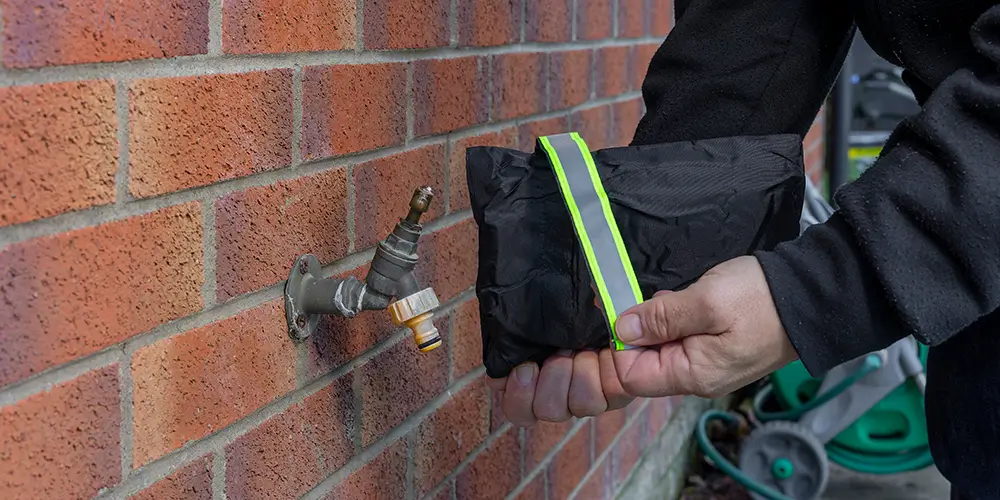
Cover all exterior hose spigots with insulated foam faucet covers or heavy-duty fabric spigot jackets. These affordable covers shield brass valve bodies from freezing air and crosswinds.
4. Locate and Test Your Main Water Shutoff Valve
Before a freeze hits, every family member should know exactly where the main water shutoff valve is located—typically near your water meter at the curb, inside the basement, or near your main fresh water line entrance. Test the valve handle to ensure it turns smoothly without binding.
What to Do During an Extreme Cold Snap
When freezing temperatures and hard frost are forecast for North Georgia, take these immediate protective actions:
Let Vulnerable Faucets Drip Slowly
Allow a slight, steady trickle of cold water to drip from faucets connected to pipes that run along exterior walls or through unheated crawl spaces. Moving water freezes much harder, and opening the tap relieves trapped pressure within the system.
Keep Cabinet Doors Open Under Sinks
Open kitchen and bathroom sink cabinet doors to allow warm interior room air to circulate around hidden plumbing fixtures and supply lines.
Maintain a Consistent Indoor Thermostat Temperature
Keep your home heating set to at least 55 degrees F daytime and night, even if you are traveling. Never turn off your heat completely during winter trips.
How to Safely Thaw Pipes If They Freeze
Signs Your Pipes Are Frozen
- Only a tiny trickle or no water comes out when you open a faucet.
- Frost or condensation appears on visible copper or plastic pipes.
- Strange banging or whistling noises occur when turning on taps.
Safe Thawing Methods vs. Dangerous Mistakes
If you suspect a frozen pipe, keep the faucet open so melting water can flow out. Use a hairdryer, warm towels soaked in hot water, or a portable electric space heater aimed safely at the pipe. Never use direct open flame or high-heat tools, as this creates a severe safety hazard and can crack pipes instantly.
What to Do If a Pipe Bursts: Emergency Action Plan
- Step 1: Shut Off Main Water Supply Immediately. Turn off your home’s main shutoff valve to stop incoming water flow and limit flood damage.
- Step 2: Open Faucets to Relieve Pressure. Open lower-level sink and tub faucets to drain remaining water out of the lines.
- Step 3: Call TLC Plumbing for 24/7 Emergency Repairs. Contact our licensed emergency plumbing team at 678-561-4852 for rapid response across Metro Atlanta and Northwest Georgia.
Frequently Asked Questions
At what temperature do pipes freeze in North Georgia?
Pipes in North Georgia can freeze when outside temperatures drop to 20 degrees F or lower, especially if exposed to harsh winds in unheated areas like crawl spaces, attics, or exterior walls.
Should I let my faucets drip during a winter freeze in Metro Atlanta?
Yes. Allowing a small trickle of cold water to drip from faucets connected to uninsulated exterior pipes relieves pressure inside the line and helps prevent pipe bursts during severe hard freezes.
What should I do if a water pipe freezes in my home?
Turn off your main water valve immediately, open affected faucets, and apply gentle heat using a hair dryer or space heater. Never use direct open flame to thaw pipes.
Does TLC Plumbing offer emergency frozen pipe repair in North Georgia?
Yes. TLC Plumbing, LLC provides 24/7 emergency plumbing repairs across Dallas, Marietta, Canton, Cartersville, Rockmart, and Sandy Springs to handle frozen pipe bursts and sudden water leaks quickly.